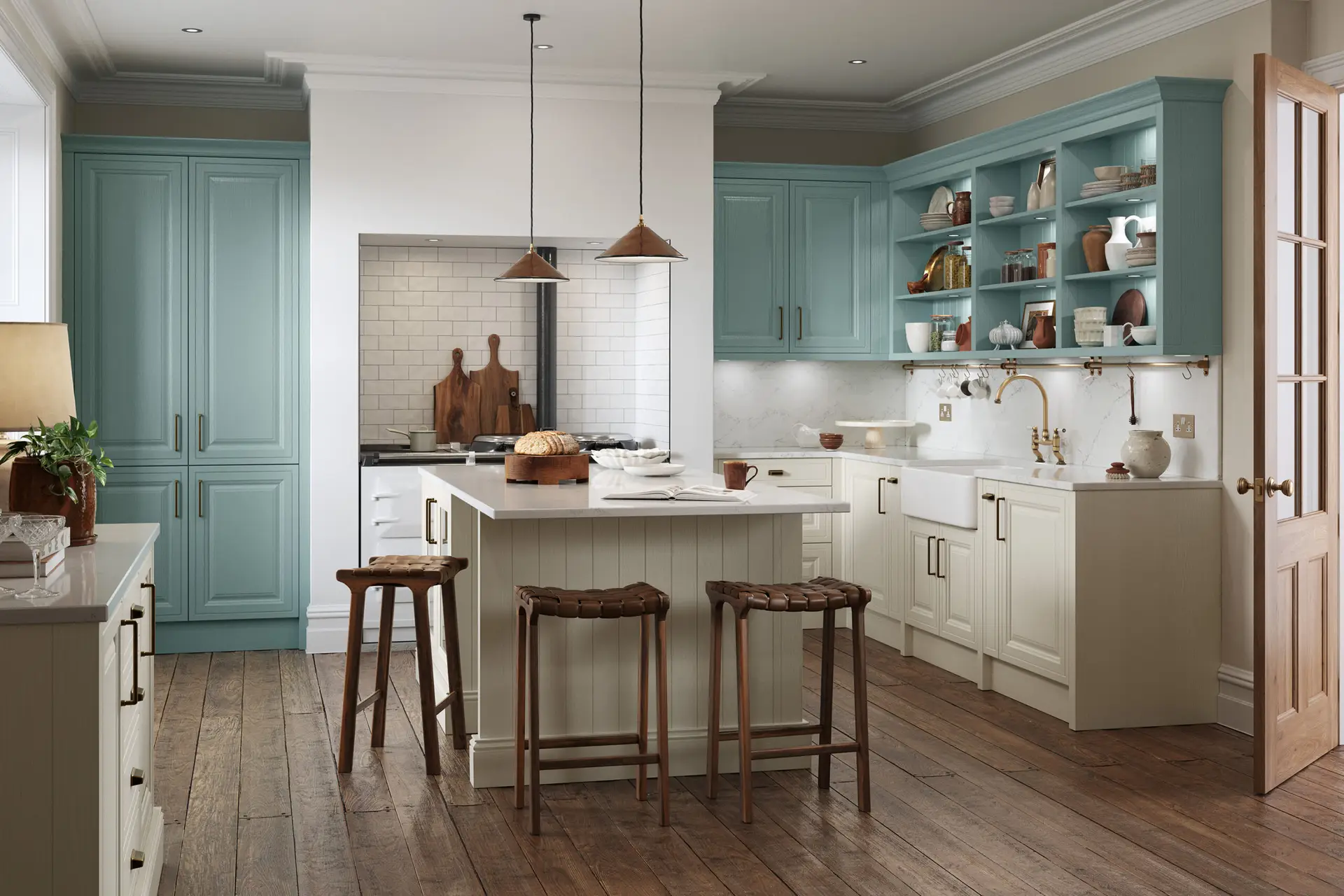
Two-toned kitchens have recently evolved into a huge design staple in kitchens. They offer a new and unique way to add depth and visuals to one of the most important spaces in the home. Combining two contrasting or complimentary colours can help to show a balance between self-expression and functional design. It works the same with different materials too if you wanted to keep a natural design.
Let’s break it down and explore what makes two-toned kitchens so appealing and how they rocketed to the forefront of people’s mood boards. We’ll also look at the advantages, drawbacks, and practical design tips so you are ready to tackle the renovations.
What Is a Two-Toned Kitchen?
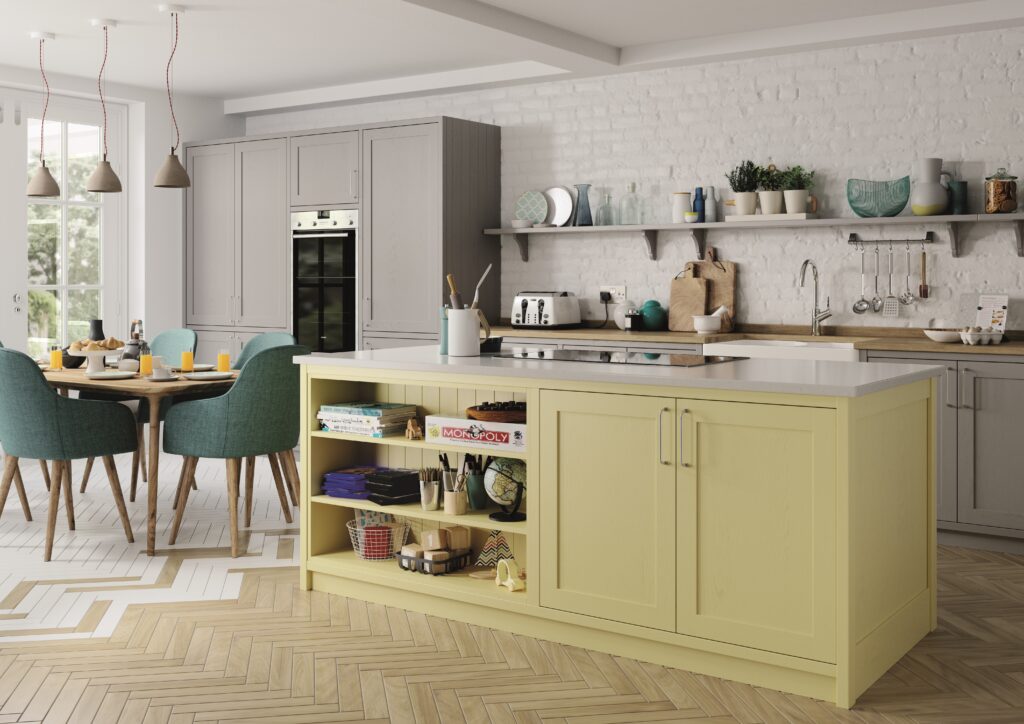
If you don’t know what this type of design is, let’s explain. A two-toned kitchen typically features cabinetry in two distinct finishes, colours, or materials. The most common approach is to use one colour for upper cabinets and another for lower cabinets. Another popular approach is having all the cabinets one colour and the kitchen island another.
If you are heavy on materials rather than colour, you can also have contrasting wood textures or other materials to make a warmer or cooler space. The goal is to create visual separation and within a space without sacrificing cohesion. You can even have a bold pop of colour on the island and a pastel colour on the cabinets, like one of our client’s who chose a gorgeous yellow! Have a look at the images here.
Why Are Two-Toned Kitchens So Popular?
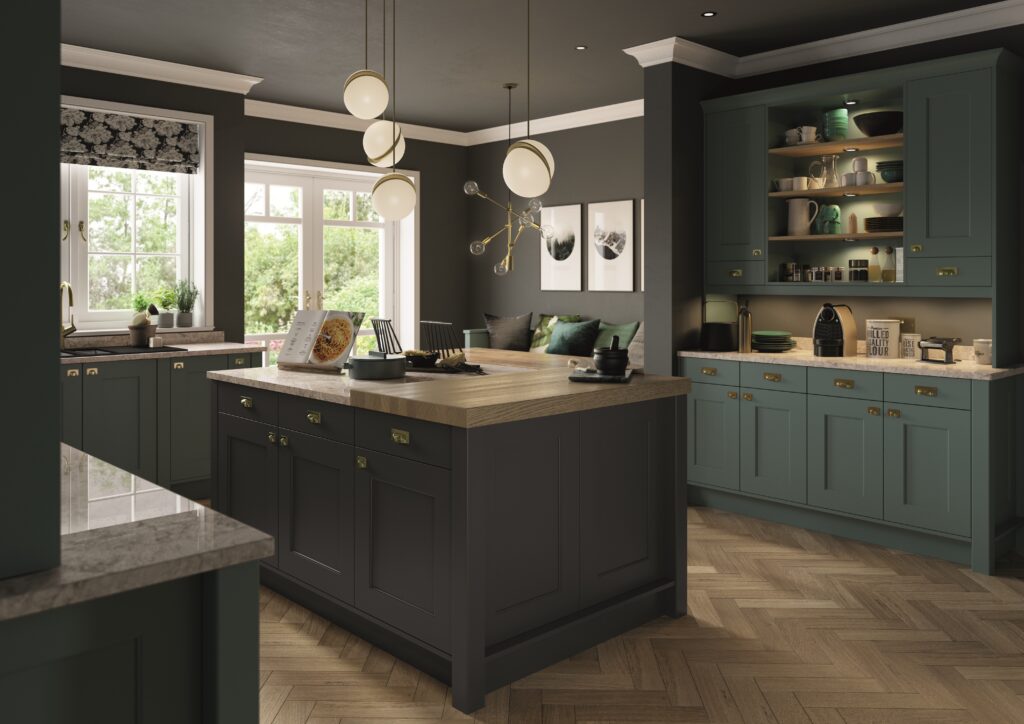
To get into the details, the rise of two-toned kitchens reflects a wider shift toward personalisation in interior design. Instead of bland design, people are leaning towards spaces that feel curated and reflective of themselves. It allows for greater creative freedom where there is no pressure to stick to plain colours, but you also don’t have to colour-wash the entire space. You get a mix of traditional and modern elements and can also make it more suited to your preference. There is also the added benefit of it being able to work across all design styles!
Pros and Cons of Two-Toned Kitchens
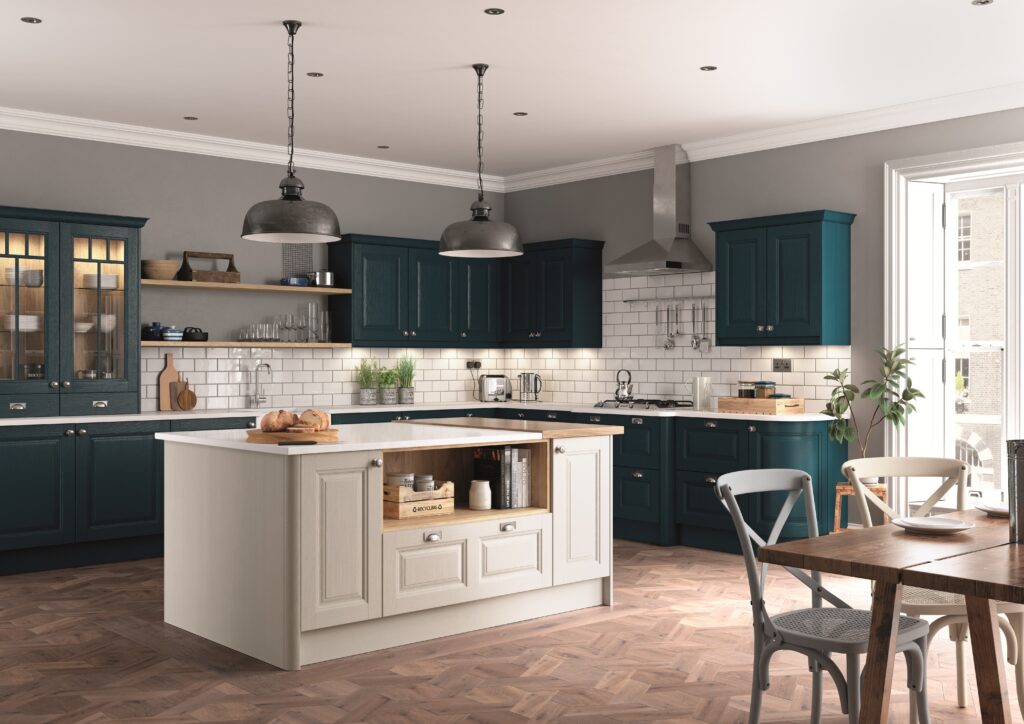
Two-toned kitchens offer a range of advantages that go beyond simple aesthetics. As we’ve already mentioned, one of the most notable benefits is the added visual interest and depth that they bring to a space. Introducing a second tone can also help break up large expanses of cabinetry and prevent large blocks of colour-wash. This approach also supports better zoning and structure, as different colours can be used to define functional areas. For instance, a darker island can anchor the centre of the room while lighter perimeter cabinets keep the overall look open and spacious.
In terms of flexibility, two-toned kitchens make it easier to blend styles. For example, you are able to combine warm wood finishes with sleek painted surfaces and allow for that balanced mix of elements. There are practical advantages as well, with darker lower cabinets helping to conceal everyday wear and tear, while lighter upper cabinets maintain a clean and airy feel. Finally, this design approach encourages personal expression by giving homeowners the freedom to introduce bolder colours in a controlled way.
While two-toned kitchens offer many benefits, there are also several potential drawbacks to consider. One of the main challenges is the risk of clashing. Without careful planning, the two tones can compete rather than complement each other, leading to a disjointed overall look. The design process itself can also be more complex, as selecting the right combination of colours, finishes, and materials requires more thought and coordination. Additionally, two-toned designs can be more sensitive to trends as they are currently popular. However certain bold pairings may start to feel more dated more quickly. There may also be implications for resale, as highly personalised or unconventional colour choices might not appeal to all potential buyers. Finally, cost is an important factor, since mixing different materials can increase expenses, particularly when custom finishes or bespoke elements are involved.
Design Principles for a Successful Two-Toned Kitchen
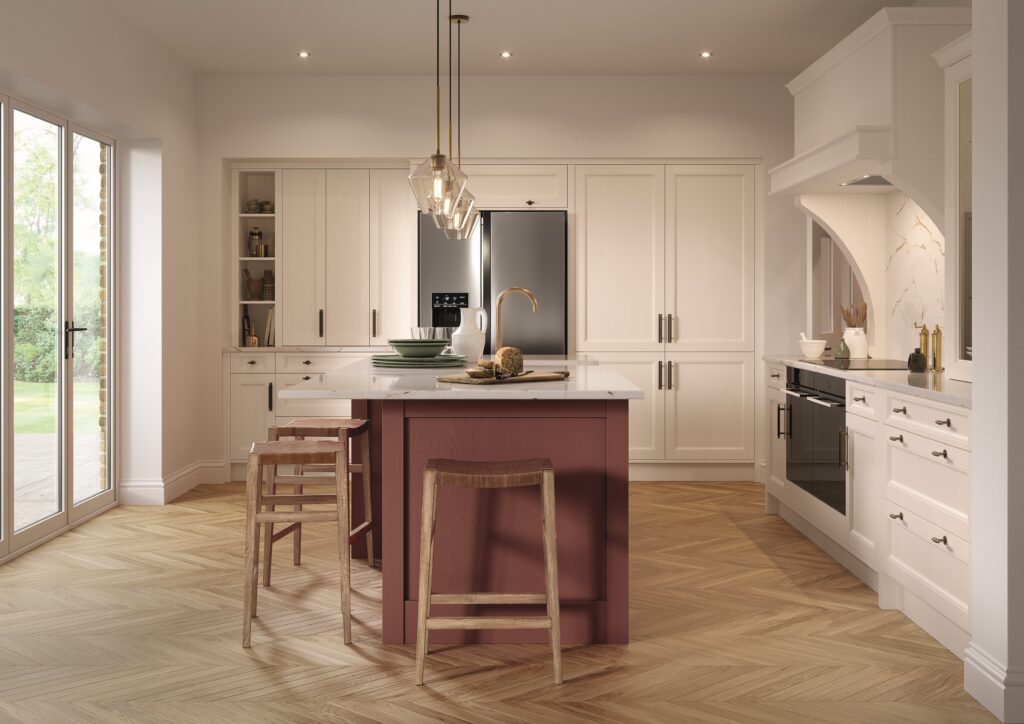
Creating a successful two-toned kitchen relies on a few key design principles that help ensure the space feels cohesive rather than chaotic. Firstly, it’s important to establish a dominant tone, allowing one colour to take the lead while the second acts as an accent. This maintains visual balance and prevents the design from feeling overwhelming. Contrast should also be used strategically. High-contrast pairings like black and white can deliver a bold, modern impact which will suit a bigger space. Softer combinations such as pastels and off-whites create a more subtle and unified appearance. Natural light is another crucial factor to consider, as darker tones can make a room feel smaller or heavier if light is limited, so keeping upper cabinets lighter can help reflect light and maintain an open atmosphere.
Coordination with surrounding surfaces is equally essential, with countertops, backsplashes, and flooring working to visually connect the two tones. A veined stone surface can seamlessly bridge contrasting cabinet colours. Repeating one of the tones in other elements throughout the kitchen, such as bar stools, lighting fixtures, or decorative accents, helps reinforce harmony and tie the overall design together.
A List of Popular Combinations
- White wall cabinets with navy or charcoal floor cabinets
- Natural wood paired with matte black
- Soft grey and pastel hues
- Cream and sage green
- Bold island colours against neutral cabinetry
- Painted cabinets with natural wood grain
- Glossy finishes paired with matte textures
- Metal accents (like brass or black hardware) to unify contrasting tones
Who Should Choose a Two-Toned Kitchen?
This design works especially well for homeowners who want a customised feel, open-plan spaces where the kitchen is highly visible and those looking to experiment with colour without committing fully. However, if you prefer a timeless aesthetic or plan to sell soon, a more restrained approach may be worth considering.
Whether you lean toward bold contrast or subtle variation, a two-toned kitchen gives you the freedom to design a space that feels both modern and uniquely yours. Give us a call to see what we can do for you!